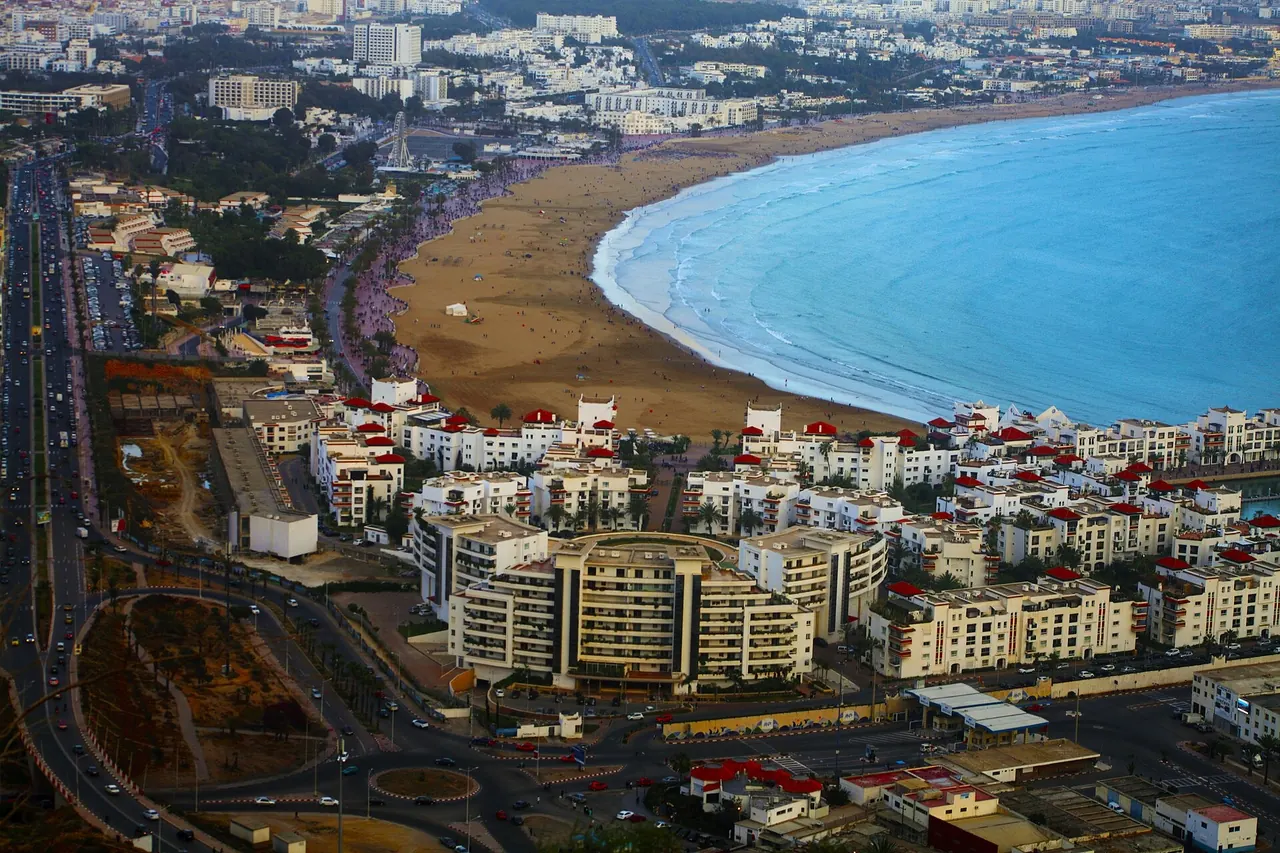

Morocco's Atlantic coast offers consistent surf from September to April, warm winters, cheap living and a relaxed surfing culture centred on Taghazout, with long right-hand points at Imsouane and town-beach options in Agadir. Most surfers fly into Casablanca (CMN) or Agadir (AGA) and head straight for the coast.
Updated June 2026 · 5 min read · Planning
What are the best surf spots in Morocco?
The stretch of Atlantic coastline between Agadir and Taghazout is Morocco's surf heartland. Taghazout itself — a compact, whitewashed village 20 km north of Agadir — has six named breaks within easy reach. Anchor Point is the flagship: a long, powerful right-hander that runs for up to 300 metres on a good swell, with a fast section at the top and a more workable wall further down. Hash Point (also called Crocro) is directly in front of the village — accessible and good for intermediates when Anchor is closing out.
Imsouane, 70 km north of Taghazout, has one of Africa's longest right-hand point breaks: a mellow, cross-shore wave that can peel for 500–800 metres. It is exceptionally good for longboarders and beginners progressing beyond beach-break foam. The bay is sheltered enough that it holds waves in cross-shore winds that close out everywhere else. Agadir's town beach (Plage d'Agadir) is a long, wide strand with gentle beach-break waves, good for absolute beginners.
- Anchor Point: powerful right-hand point; intermediate to advanced; best at 6–8 ft swell.
- Hash Point / Crocro: right-hander in front of Taghazout village; forgiving and popular with learners.
- Killer Point: hollow and fast at low to mid tide; best for experienced surfers in 4–6 ft swell.
- Boilers: reef break at low tide; consistent and punchy; suits experienced shortboarders.
- Imsouane: Africa's longest right-hander; best for longboards and progression surfers; very consistent.
- Plage d'Agadir: wide beach break; gentle waves; ideal for beginners and surf lessons.
What is the best season to surf in Morocco?
September to April is the prime surf window. Atlantic low-pressure systems push consistent northwest swells from the open ocean — typical swell heights at Taghazout in winter are 3–8 ft, with larger swells arriving in November, January and February. Water temperature stays between 17–21°C in winter (a 3mm wetsuit is comfortable; 4/3mm preferable in December and January). Air temperatures in Taghazout in January average 17–20°C — warm enough for a vest and shorts out of the water.
Summer (June–August) is the flat season. The north-east trade winds (the Alizée) pick up and the Atlantic swells diminish significantly. Some beach-break days occur, but dedicated surf travellers do not book Taghazout in July. Agadir and Sidi Ifni occasionally produce workable summer surf from south swells, but these are inconsistent.
What are Taghazout surf camps like?
Taghazout has evolved from a backpacker village to a legitimate surf destination with a wide spectrum of accommodation. Dedicated surf camps — of which there are perhaps 30 operating in and around the village — typically include a room (shared or private), breakfast, surf coaching, board hire and a daily transfer to the right break by van. Quality ranges from very basic (shared dormitories, beginner-only coaching) to boutique (private en-suite rooms, video analysis, separate intermediate and advanced groups, yoga).
Prices for a week-long all-in surf camp run from approximately US$450 (budget, shared room) to US$1,200–1,800 (boutique, private room, coaching-heavy). The better camps limit group sizes to 6–8 surfers per coach, which makes a noticeable difference to progression. Book well ahead for November to February, when demand from European surfers peaks.
Is Morocco good for beginner surfers?
Yes — Morocco is one of Europe's most popular beginner-to-intermediate surf destinations for several reasons: warm winter air, affordable lessons and camps, and a genuine variety of wave types from gentle beach break (Agadir, Tamraght) to more powerful points (Anchor, Killer) that allow progression in a single trip. Most camp coaches are Moroccan and proficient in English, French and Spanish.
Beginners should start on Agadir beach or Tamraght's beach break before progressing to Hash Point. Anchor Point and Killer Point are not beginner waves — the rocky entry, the power and the crowd (Anchor in particular can be busy on good days) make them appropriate for surfers who can confidently handle 4+ ft surf and know how to manage a lineup.