Most travellers arrive through Casablanca, the country's main gateway, then come down to Marrakech — and it is here, not at the airport shops, that you do your real buying. The souks of Marrakech are not a market in the conventional sense. They are a living city within a city — a labyrinth of some 3,000 shops and workshops organised by craft, exactly as they have been since the eleventh century. Wandering in without a plan is half the joy. Wandering in without any knowledge is how you end up with a camel-leather bag that starts peeling before you have even made it back to Casablanca for your flight home.
What are the best things to buy in the souks?
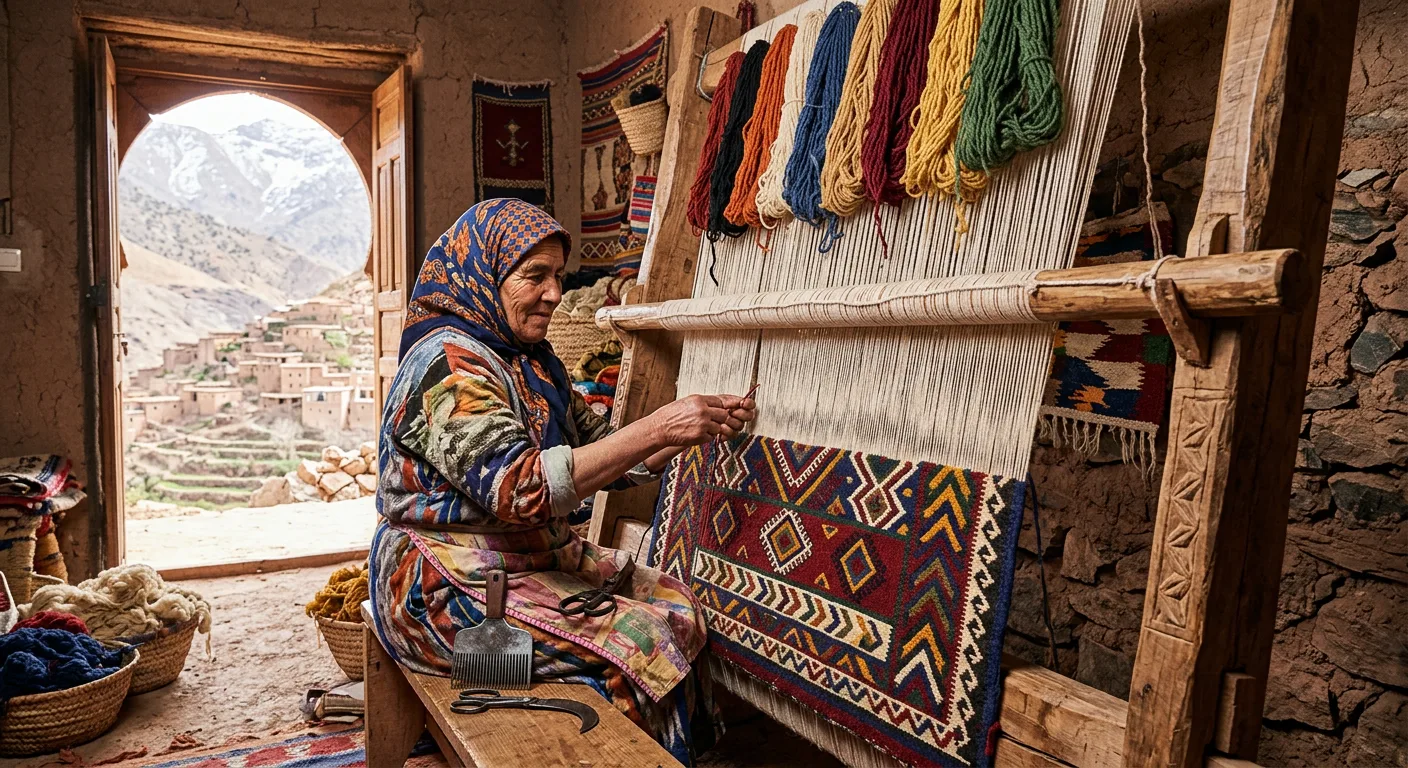
The quality purchases are those tied to genuine Moroccan craft traditions. Babouche slippers in natural goatskin are a sensible starting point — comfortable, lightweight and made a few streets from where you stand. Berber rugs and kilims woven in the High Atlas villages have been sold in this medina for centuries; a good flat-weave kilim costs US$80–300 depending on size and knot density. Copper and brass lanterns hand-hammered in the Haddadine quarter make beautiful pieces; US$20–60 for a medium pendant. Argan oil — pressed from the endemic argan tree of the Souss Valley — is genuine, cold-pressed and worth buying in 100 ml amber bottles from a women's cooperative. For textiles, look for hand-embroidered kaftans from Fès, block-printed cotton from Marrakech, and resist-dyed scarves from the dyers' quarter.
Items to approach with caution: mass-produced ceramics imported from China painted to look Moroccan, synthetic "leather" goods with a chemical smell, and "original" Berber jewellery that is actually white metal from Casablanca factories. The surest way to avoid these is to watch something being made before buying it.
Which souk should you visit for each craft?
The medina's craft quarters are roughly organised north to south from Jemaa el-Fna. Souk Semmarine, the main artery, is where textiles, kaftans and djellabas dominate. Branch left into Souk el-Kebir for leatherwork and babouches. Continue north to Souk Cherratine, the formal leatherworkers' district, where saddles, belts and bespoke bags are still made to order. The souk des teinturiers (dyers' souk) is best visited in the morning when the freshly dyed skeins of wool hang vivid against the walls — it is as much a photograph as a purchase. Head to Souk Haddadine for wrought-iron and copper lanterns; the hammering noise leads you there. The Mellah, the old Jewish quarter near the Royal Palace, holds the best Berber silver jewellery — old Amazigh fibulas, enamelled brooches and amber beads traded up from the sub-Sahara.
How does bargaining actually work?
The medina runs on a dual-price system: an opening price for tourists and a closing price determined by negotiation. This is not deception — it is a centuries-old social ritual, and participating respectfully is expected. A few principles we tell every guest:
- Start at 40–50% of the first quoted price and work up slowly.
- Never reveal how much you want to spend; let the seller make all the moves first.
- Smile. Bargaining is social, not adversarial. If the atmosphere turns sour, walk away.
- Walking away genuinely — heading for the door — is the most effective negotiating tactic and almost always produces a better offer.
- Once a price is agreed, honour it. Changing your mind after acceptance is considered rude.
- Fixed-price cooperatives exist throughout the medina and are marked as such. These are useful reference points for fair value.
How do you ship large purchases home?
Reputable rug and furniture dealers — and many of the larger carpet shops near the Bahia Palace — have longstanding relationships with international freight agents. A rolled Berber rug shipped to London or New York typically costs US$150–250 and arrives within two to four weeks. Flat-packed copper lanterns and zellige panels ship for US$80–150 a box. Always ask for a detailed receipt listing the item, dimensions, material and agreed price, and photograph it. Moroccan customs requires an export declaration for antique items over 100 years old; reputable dealers know the process.
For smaller items, DHL and FedEx offices operate near Gueliz and will accept packages at the counter. Postal shipping via La Poste Maroc is inexpensive but slow and best reserved for non-fragile textiles.
What should you know about the tanneries?
The Chouara tanneries — more famous in Fès but also present in Marrakech — are where raw hides are soaked, scraped, dyed and dried in the open air. The vantage points above the tannery are typically accessed through a leather shop, and while this is not exactly a hard sell, purchasing is optional. The best leather goods from tannery-adjacent shops are the simple ones: natural tan, burgundy, or midnight navy babouches; undyed goatskin coin purses; and classic satchels without excessive stitching. Avoid anything advertised as "camel leather" — this is a marketing term; the leather is almost always goat or sheep.
How do you navigate the souks with a guide?
A knowledgeable local guide changes the experience entirely. We take our guests off the main souk artery into the working districts — streets where a master zellige craftsman is setting tiles by hand, or where a weaver in his fifties is threading an eight-colour warp on a floor loom. These workshops sell direct, at fair prices, and you understand what you are buying. Our private medina guides are licensed and independent — they receive no commission from any shop, which means they take you where the quality is, not where the margin is. See our Marrakech destination guide for the broader picture, or browse our private tours that include a curated souk morning.
Frequently asked
What are the best things to buy in the Marrakech souks?
The buys worth your dirhams are the genuinely Moroccan ones: babouche slippers, bags and belts in leather; Berber rugs and kilims; argan oil and rose water; hand-hammered copper and brassware; zellige tilework; hand-embroidered kaftans; and saffron carried up from the Dades Valley. Every one of these is made in Morocco and carries real artisan value.
Is bargaining expected in the Marrakech medina?
Absolutely — in the souks, the opening figure is almost never where things land. Coming back calmly and with a smile at 40–60% of that first price is the norm. Only shake on it when the number genuinely pleases you; stepping away is perfectly fine and frequently brings a keener offer your way.
How do I avoid buying low-quality goods in the souks?
Stick to artisan cooperatives or workshops where the craft happens in front of you. With rugs, ask about the knot count and judge the weight in your hands. With leather, real goatskin gives off a faint animal smell that synthetics lack. And cosmetic-grade argan oil should read golden-green rather than pale yellow.
Can I ship large purchases from Morocco back home?
You can. Most trustworthy carpet and furniture sellers work with international freight agents and will handle it for you. Budget US$150–400 to send a rolled rug to Europe or North America, arriving in two to four weeks. And always insist on a receipt that spells out the item, its dimensions and the price you settled on.
Which souks are best for which products?
Head to the souk des teinturiers (dyers' souk) for dyed wool and yarn. Souk Cherratine is where the leatherworkers cluster. For copper and iron lanterns, the blacksmiths fill Souk Haddadine. Souk Semmarine is the main textile corridor. And for Berber jewellery, the Mellah silver market near the Royal Palace is the spot.
Do the souks accept credit cards?
Expect most small stalls to take cash only. The bigger shops and fixed-price cooperatives increasingly run Visa and Mastercard, though a 2–3% surcharge sometimes creeps in. Keep Moroccan dirhams (MAD) on hand for the market stalls — and you'll find ATMs dotted around Jemaa el-Fna square.
Shop smarter, from the gateway on
Let a commission-free guide lead the way.
From your Casablanca arrival to the workshops of the Marrakech medina, our licensed guides take you to the craftsmen, not the tourist shops — and never earn a cut from what you buy.
Request an itinerary