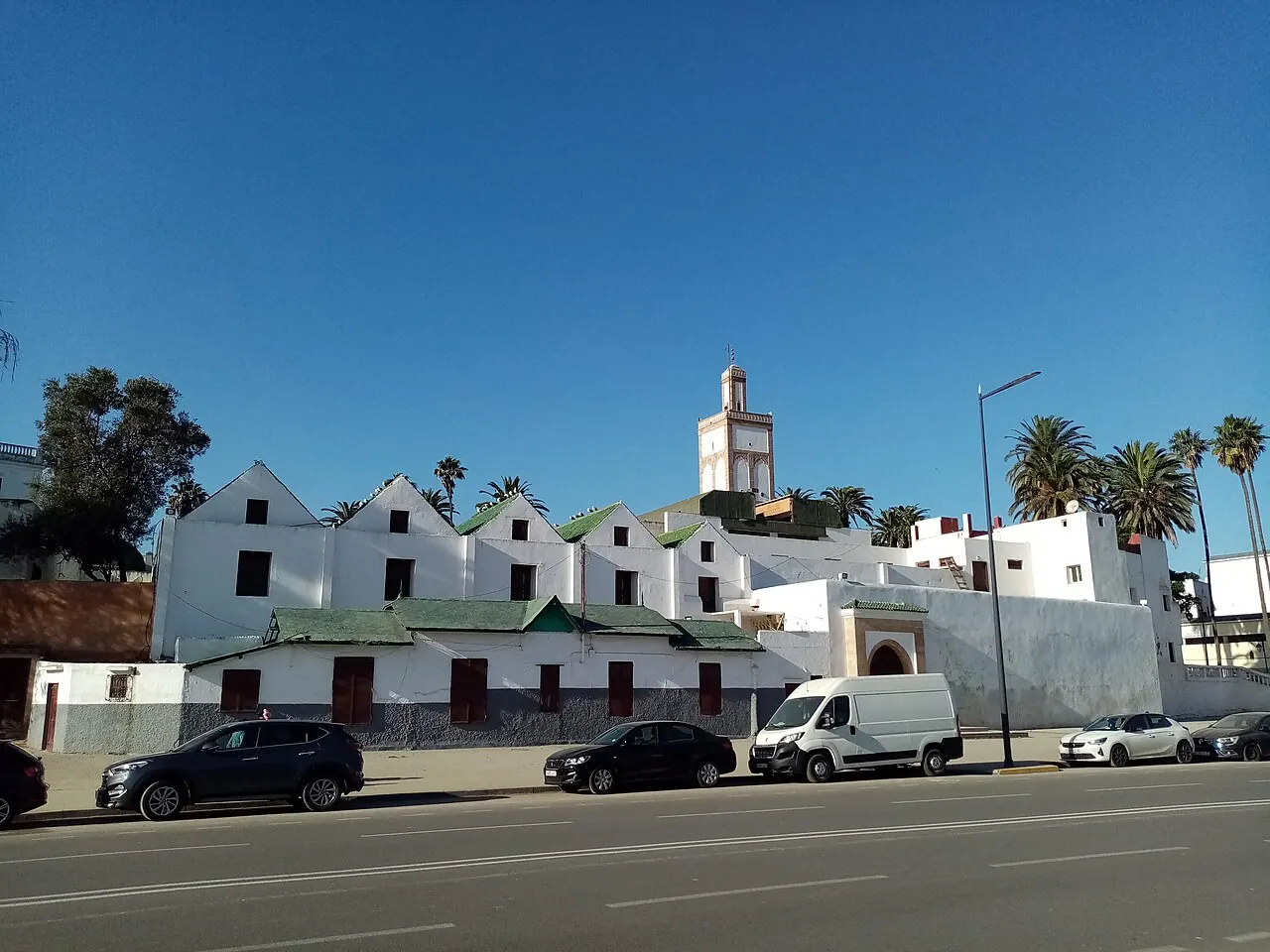

Casablanca's Old Medina — the Ancienne Médina — is the original walled town that predates the French ville nouvelle built around it in the 20th century. Tucked between the port and the United Nations Square (Place des Nations Unies), it is much smaller and far less touristy than the great medinas of Fes or Marrakech, with a more workaday, local character. Within its old ramparts you will find busy market lanes, small mosques, an 18th-century bastion overlooking the sea, and the everyday rhythm of a working quarter, all a short walk from the Hassan II Mosque. Here is what to see and how to explore it.
The best of Casablanca
What the Old Medina is
About. The Ancienne Médina is the historic core of Casablanca, the walled town that existed before French planners laid out the modern city center beyond its walls. Compared with the famous imperial medinas, it is compact and comparatively plain — there are few grand monuments — but it offers an authentic, lived-in slice of old Casablanca and a sharp contrast with the Art Deco and modern districts that surround it.
The gates and ramparts
Landmark. Sections of the old ramparts and several gates still mark the edges of the medina, including walls and gateways near the United Nations Square and the port side. Walking the perimeter gives a sense of how the original town was enclosed; the walls are weathered and unpolished, in keeping with the quarter's working character rather than a restored tourist showpiece.
The Sqala bastion
Landmark. On the seaward edge of the medina stands the Sqala, an 18th-century fortified bastion built to defend the port, where old cannons still point out toward the Atlantic. The structure and its ramparts are among the more distinctive sights in the quarter, and the area is well known locally for a long-established seafood restaurant occupying part of the bastion.
Market lanes and local life
Market. The heart of the medina is its tangle of narrow market lanes, where stalls and small shops sell clothing, fabrics, spices, household goods, hardware and everyday items for local residents rather than souvenirs. It is genuinely a working market quarter, so expect a lively, sometimes crowded atmosphere and a strong sense of ordinary city life.
Street food and snacks
Food. Among the market lanes you will find stalls and small eateries serving Moroccan street food and snacks — grilled and fried items, sandwiches, fresh juice, mint tea and seasonal produce. Eating where locals do is part of the experience; choose busy stalls with high turnover and freshly prepared food.
Small mosques and the marabout
Landmark. The medina contains several small neighbourhood mosques and the marabout (shrine) of Sidi Allal al-Kairouani, a revered figure traditionally associated with the old town. As active religious sites, mosque and shrine interiors are generally not open to non-Muslim visitors, but they form part of the historic fabric of the quarter and can be seen from the surrounding lanes.
Proximity to the Hassan II Mosque
Itinerary. The Old Medina sits close to the Hassan II Mosque, one of the largest mosques in the world, set dramatically beside the sea. The two are within easy reach of each other, making it natural to combine a walk through the medina with a visit to the mosque and its vast esplanade as part of a single waterfront outing.
Contrast with modern Casa
About. Part of the medina's interest is the contrast it offers with the rest of the city. Step out of its lanes and you are quickly among the wide boulevards, Art Deco facades and modern towers of central Casablanca. Seeing the old walled quarter alongside the planned French-era city helps explain how Casablanca grew from a modest port town into Morocco's largest metropolis.
Safety and awareness
Practical. The Old Medina is a busy, workaday area, and as in any crowded market quarter it pays to stay aware of your surroundings and keep valuables secure and out of sight. Petty opportunism can occur in tourist-frequented spots, so watch your belongings, be confident about declining persistent offers of help, and use common sense, especially in narrow or quieter lanes.
How long and how to combine
Practical. A walk through the Old Medina typically takes around an hour or so, depending on how much you browse the market and pause at the Sqala and ramparts. It works best combined with the nearby Hassan II Mosque and the port, and pairs well with the Art Deco downtown and the Habous quarter to build a fuller day of exploring central Casablanca on foot and by short taxi.