
Casablanca's Atlantic setting and cosmopolitan markets make it a rewarding place to learn Moroccan cooking. From tagine and couscous workshops to seafood, street-food walks and pastry sessions, here are twelve hands-on food experiences worth your time.
The best of Casablanca
Traditional Tagine Workshop
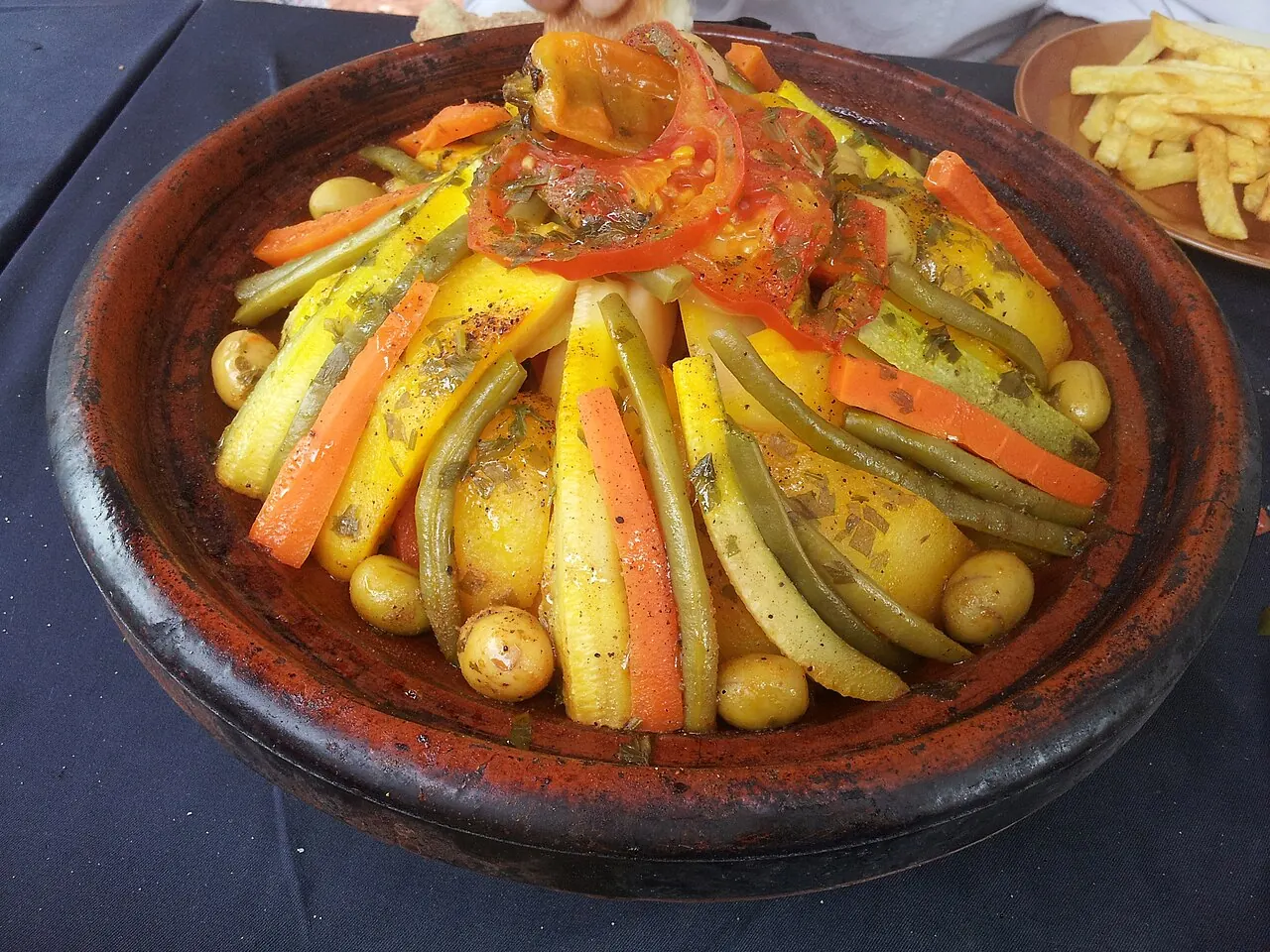
Cooking class. Learn to build a slow-cooked tagine from the base up, layering meat or vegetables with preserved lemon, olives and a balance of cumin, ginger, saffron and ras el hanout. Most classes finish with everyone sharing the dish from the conical clay pot.
Couscous Master Class
Cooking class. Couscous is traditionally steamed three times over a bubbling broth in a couscoussier. Hands-on sessions teach you to roll and fluff the semolina and to assemble the classic Friday seven-vegetable version Moroccan families gather around.
Atlantic Seafood Cooking Class
Cooking class. Casablanca's port brings in sardines, sea bream and prawns daily. Coastal classes focus on chermoula-marinated fish, grilled sardines and seafood tagines, reflecting the city's strong Atlantic fishing tradition.
Central Market Shopping & Cook
Market tour. Begin at the colonial-era Marche Central on Boulevard Mohammed V to choose fish, produce, herbs and spices, then carry your basket back to a kitchen to cook lunch. Shopping with a local cook is the best way to learn Moroccan ingredients.
Moroccan Pastry & Sweets Class
Pastry. Roll and shape almond-stuffed gazelle horns (kaab el ghazal), sesame chebakia and honeyed briouats. These delicate sweets are central to celebrations and Ramadan tables, and the techniques reward patience and a steady hand.
Moroccan Bread & Msemen Workshop
Cooking class. Master everyday breads from round khobz to flaky, folded msemen and spongy baghrir pancakes cooked on a griddle. Bread is served at nearly every Moroccan meal, and these staples are simpler to make than they look.
Mint Tea & Moroccan Hospitality
Tea ritual. Learn the ceremony of Moroccan mint tea: brewing gunpowder green tea with fresh mint and sugar, then pouring from a height to build the signature foam. The ritual of welcome is as important as the drink itself.
Street Food Tasting Tour
Food tour. Walk the old medina and city centre to sample bowls of harira soup, grilled brochettes, bessara fava bean soup, snail broth and freshly fried sfenj doughnuts. A guide helps you find the stalls locals trust.
Pastilla Cooking Class
Cooking class. Assemble the celebrated sweet-savoury pie, layering crisp warqa pastry with spiced poultry or seafood and dusting the top with cinnamon and sugar. Pastilla is a festive centrepiece and a satisfying technique to master.
Vegetarian Moroccan Cooking
Cooking class. Moroccan cuisine is rich in meat-free dishes: vegetable tagines, zaalouk aubergine dip, taktouka pepper and tomato salad, and lentil and chickpea stews. These classes lean on seasonal market produce and warm spice blends.
Riad Rooftop Dinner Class
Cooking class. Cook a multi-course Moroccan meal in a restored riad and share it on the rooftop terrace as the city lights come on. Combining a class with a sit-down dinner makes for a relaxed introduction to local home cooking.
Spice Blending & Ras el Hanout
Workshop. Explore the spices that define Moroccan flavour and blend your own ras el hanout, the layered mix that can contain a dozen or more components. Sessions usually start at a spice stall before grinding and balancing your personal blend.