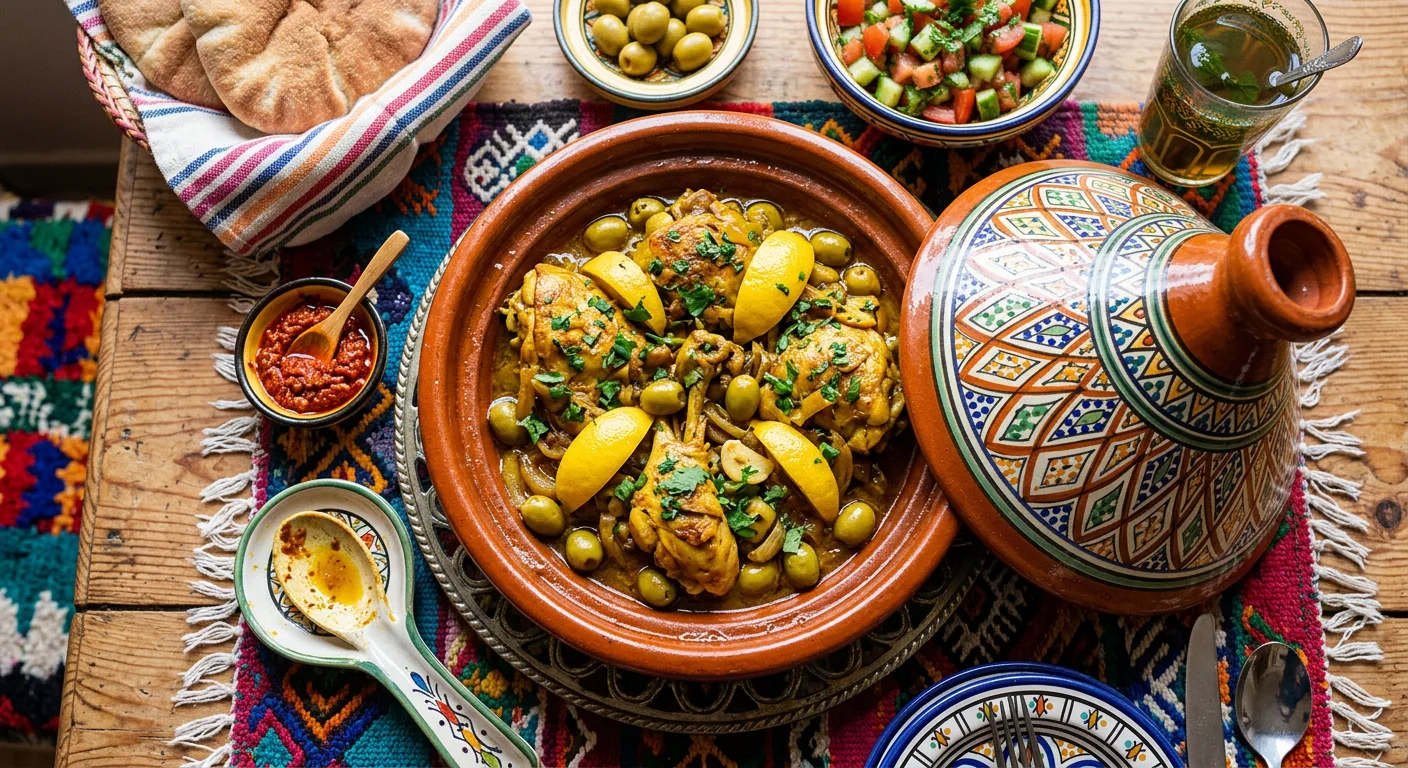
Your spending clock starts in Casablanca, the gateway where most visitors land — and the good news begins right there, with a second-class train down to Marrakech for the price of a coffee back home. Morocco is one of the world's best-value travel destinations, but 'cheap' is not the same as 'low quality'. The Moroccan dirham (MAD) goes exceptionally far by any Western measure, and the depth of experience available for a modest budget is remarkable. Here is what you can actually expect to spend, at every level, from the moment you clear CMN.
What does accommodation cost in Morocco?
Morocco offers one of the widest ranges of accommodation value in the Mediterranean world. Budget options are genuinely good; the step up to mid-range is striking.
| Type | Per night (USD) |
|---|---|
| Hostel dorm (4–8 beds) | US$8–14 |
| Simple guesthouse (private room) | US$20–35 |
| Mid-range riad (en-suite, breakfast) | US$60–120 |
| Boutique riad (private, pool, terrace) | US$120–250 |
| Luxury Sahara camp (glamping) | US$120–200 |
How much does food cost in Morocco?
Eating in Morocco is cheap at every level. The gulf between street food and a mid-range restaurant is narrower than in most countries — quality goes up far faster than price.
- Street stall breakfast (msemen flatbread, hard-boiled egg, argan oil, mint tea): 20–35 MAD (US$2–3.50)
- Harira soup + bread at a market stall: 10–15 MAD (US$1–1.50)
- Set lunch at a local café (three courses, no tourist menu): 40–70 MAD (US$4–7)
- Evening tagine + salads + mint tea at a medina restaurant: 100–180 MAD (US$10–18)
- Fine-dining Moroccan tasting menu (top riads and restaurants): 400–700 MAD (US$40–70)
The practical tip: walk two or three streets away from the main tourist square in any city. Prices drop by 30–50% and quality is often higher — you're eating where locals eat.
How much does transport cost between cities?
Morocco's intercity transport is efficient and inexpensive. The state-run rail network (ONCF) covers the north and centre; CTM and Supratours buses reach everywhere else.
| Route | Mode | Cost (USD) |
|---|---|---|
| Casablanca → Marrakech | Train (2nd class) | US$9–12 |
| Marrakech → Fès | CTM bus (overnight) | US$14–18 |
| Marrakech → Merzouga (Sahara) | Shared taxi + local transfer | US$12–20 |
| Within city (petit taxi) | Metered taxi | US$1.50–4 |
| Private transfer (full day) | Chauffeur vehicle | US$80–140 |
Sample daily budgets in USD
These are realistic all-in per-person daily costs based on real prices, not optimistic averages.
- Budget backpacker (US$35–55/day): hostel dorm, street food three meals, public buses and shared taxis, free sights (medina walks, beaches), occasional museum entry (20–70 MAD).
- Comfortable independent (US$80–130/day): en-suite guesthouse or simple riad, sit-down restaurant lunches and dinners, mix of public transport and occasional private taxi, one paid excursion every few days.
- Mid-range with comfort (US$150–220/day): boutique riad with breakfast, two restaurant meals, private transfers between cities, a guided half-day tour most days.
- Private escorted tour (US$250–400/day): includes accommodation, guide, private vehicle, most meals, entrance fees and 24/7 support. Comparable experience in France or Italy would cost two to three times as much.
Where is it worth spending more?
Morocco rewards selective upgrades. The three areas where the quality jump per dollar spent is highest:
- Accommodation: the difference between a US$40 guesthouse and a US$90 proper riad is enormous — a tiled courtyard, breakfast on a roof terrace and knowledgeable staff transform the experience.
- A licensed guide: for Fès el-Bali and the Marrakech medina, half a day with a licensed guide (US$40–60) unlocks context and doors that independent wandering simply can't replicate.
- A Sahara overnight: the mid-range luxury camp experience (US$120–150 all-in) is genuinely worth prioritising over skimping here — the setting, the silence and the sky are things you'll remember for life.
For itinerary ideas across all budget levels, see our private tour options or browse our destination guides.
Frequently asked
What is a realistic daily budget for Morocco?
A genuine backpacker budget is US$35–55 per day covering a dorm bed or cheap guesthouse, street food and local cafés, public transport and free or low-cost sights. A comfortable mid-range traveller spending on en-suite riads, sit-down restaurants and occasional guided excursions can expect US$80–130 per day. A private tour with Casablanca Tours — including accommodation, guides, transport and most meals — runs from US$250–400 per day all-in, which is still excellent value for the level of service compared to equivalent experiences in Europe.
What is the cheapest way to travel between cities in Morocco?
CTM and Supratours long-haul buses are the most affordable option, typically US$8–18 for routes like Marrakech–Fès or Marrakech–Agadir. ONCF trains connect Casablanca, Rabat, Fès, Meknès and Marrakech at similar prices in second class. Shared taxis (grand taxis) fill the gaps to smaller towns for just a few dollars per seat, but you wait until the car is full. Private transfers and domestic flights cost more but save significant time on long desert routes.
How do I avoid overpaying in the souks?
Bargaining is expected in the souks — the first price is rarely the final price. A rough starting point: counter-offer at roughly half the opening price, then meet somewhere in the middle. Never name a price unless you intend to buy at that price if accepted. Don't feel pressure; walking away is always an option and sometimes prompts the best offer. Fixed-price shops (marked 'prix fixe') genuinely mean it, and are useful for calibration even if you don't buy.
Is it cheap to eat in Morocco?
Extremely so. A filling harira soup and bread at a market stall costs 10–15 MAD (around US$1). A three-course lunch at a local worker's restaurant (no tourist menu) runs 40–60 MAD (US$4–6). A full evening meal with mint tea at a medina restaurant comfortable for visitors is 100–180 MAD (US$10–18). Tourist-facing restaurants in central Marrakech and Fès charge European prices — there's nothing wrong with them, but you can eat far better for less by walking two streets off the main square.
Are accommodation costs low in Morocco?
Very. A bunk in a clean hostel dorm runs US$8–14 per night. A private room in a guesthouse or simple riad runs US$25–45. A mid-range en-suite riad with a terrace and breakfast in Marrakech's medina runs US$70–130. The value gap between Morocco and comparable Mediterranean destinations is significant — the same quality of accommodation that costs US$120 in Lisbon might cost US$45 here.
Making every dirham count, from arrival
We can design a trip that fits your budget exactly.
Whether you're looking for a lean two-week circuit or a generous private journey, we'll build an itinerary from your Casablanca landing with real prices and no surprises. Get in touch with your travel dates and we'll come back with a full costed proposal.
Request a quote