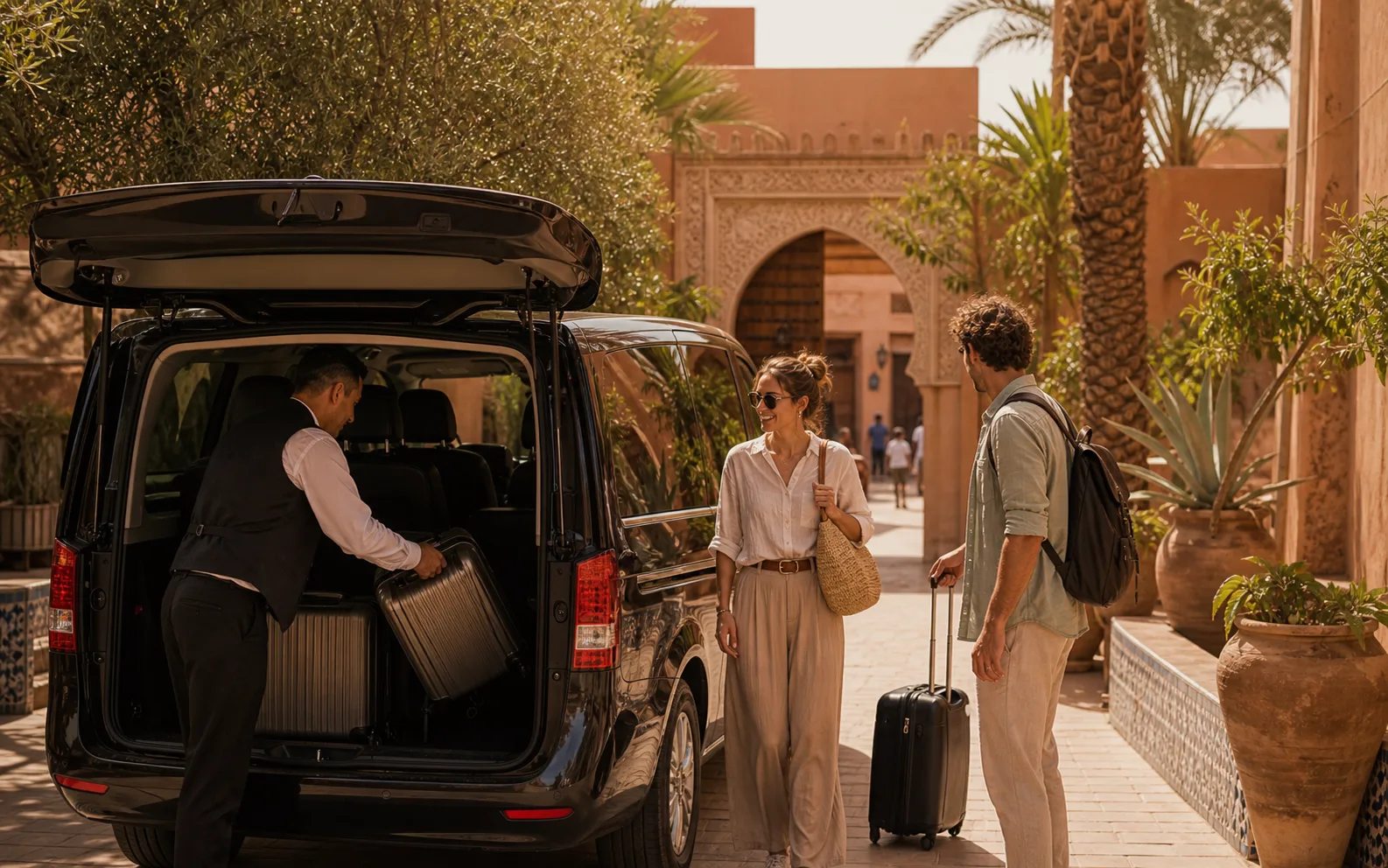
The single most useful thing to know about Casablanca is what it is. This is Morocco's biggest city and its economic and business capital — a modern, working metropolis, not a postcard medina town. Go in expecting another Marrakech or Fes and you may feel short-changed; go in knowing it's a real, contemporary city with a handful of genuinely worthwhile highlights, and you'll get the most out of it. Here's what to expect before you arrive.
Manage your expectations
Casablanca's appeal is concentrated rather than sprawling. The standout sights are the magnificent Hassan II Mosque on the ocean's edge, the Art-Deco and Mauresque downtown around the old city centre, the seafront Ain Diab Corniche, and a strong, varied food and dining scene. That's a great day out — which is exactly why most travellers give Casablanca a day or a stopover rather than several days. It's not a city you need to "do" exhaustively; it's one to enjoy in focused, well-chosen pieces.
It's usually where you arrive
For a lot of visitors, Casablanca is the front door to Morocco. It's home to the country's main international airport, Mohammed V (CMN), and it sits at the heart of the rail network, with high-speed and long-distance trains fanning out to Rabat, Tangier, Marrakech and beyond. That makes it a natural bookend to a wider trip — a place to land, see the highlights and move on, or to pause on the way home. Planning it as a stopover rather than a base often makes the most sense.
At a glance
| What to expect | In short |
|---|---|
| The vibe | Modern business metropolis, not a medina town |
| The highlights | Hassan II Mosque, Art-Deco core, Corniche, food |
| How long | A day or a stopover for most travellers |
| The old medina | Small and workaday, not a tourist labyrinth |
| Getting around | Heavy traffic — lean on the tram and taxis |
| The feel | Western, cosmopolitan, café culture, less hustle |
| Money | Cards widely accepted; carry some cash too |
The old medina is small and workaday
Casablanca does have an old medina, but set your expectations accordingly: it's relatively small and everyday — a working neighbourhood rather than the vast, atmospheric warren you find in Fes or Marrakech. It's worth a short wander for the texture of local life, but it isn't the city's headline act. The real architectural draw here is the Art-Deco and Mauresque downtown, with its cinemas, civic buildings and apartment blocks — a distinctive early-twentieth-century cityscape you won't see elsewhere in Morocco.
Traffic is heavy — use the tram
As you'd expect of a metropolis this size, road traffic can be heavy, especially at peak times. The good news is that the modern Casablanca tramway is a cheap, easy and reliable way to glide past a lot of it, and the city's red petits taxis handle the shorter hops in between. The simple trick is to plan your day by area — grouping nearby sights together — rather than criss-crossing the city and getting stuck in the jams.
It feels more Western and cosmopolitan
Casablanca has a noticeably more Western, cosmopolitan feel than the imperial cities. There's a visible café culture, a modern business district, and — in licensed venues — a more open dining and drinks scene, with alcohol available where establishments are licensed to serve it. It's a city that gets on with its own everyday life, which also means you'll generally encounter less of the tourist hustle that can wear visitors down in the more visited medinas. Many travellers find that a relief.
Dress: modest but relaxed
Casablanca is relaxed by Moroccan standards, but it's still a Moroccan city, so a modest-but-comfortable approach is the easy default — covering shoulders and knees keeps things respectful and rarely looks out of place. The cosmopolitan setting means you'll see a broad range of styles, but you'll feel most at ease leaning modest, particularly around more traditional areas. For a visit to the Hassan II Mosque, dress conservatively.
Cash and cards
Casablanca is one of the easier places in Morocco to use a card: they're widely accepted in modern venues — hotels, larger restaurants, malls and chain stores. Even so, it's sensible to carry some cash for smaller cafés, taxis, tips, markets and anywhere more local, where cards may not be an option. Treat cards as your everyday and cash as your reliable backup, and you'll be covered wherever the day takes you.
Enjoy it for what it is
The honest takeaway: Casablanca is a practical, real-life city — Morocco's modern, cosmopolitan metropolis, not a heritage theme park. Come with the right expectations and it rewards you: a truly world-class mosque, a one-of-a-kind Art-Deco cityscape, a breezy seafront and some of the best, most varied eating in the country. Give it a day, lean on the tram, eat well, and enjoy a side of Morocco that's very much of the present.
For the practical follow-ups, see our guides to getting around Casablanca, where to stay and the best time to visit. Or browse our private tours and Morocco travel guides.
Frequently asked
Is Casablanca worth visiting?
Yes — but it helps to visit it for what it is. Casablanca is Morocco's biggest city and its economic and business capital, a modern, working metropolis rather than a postcard medina town. The big draws are the magnificent Hassan II Mosque, the Art-Deco and Mauresque downtown, the seafront Ain Diab Corniche and a strong food and dining scene. Most travellers give it a day or a stopover rather than a long stay, and enjoy it as a real, contemporary Moroccan city.
How many days do you need in Casablanca?
For most visitors, a day or an overnight stop is plenty to see the highlights — the Hassan II Mosque, a wander through the Art-Deco centre and a stroll along the Corniche, plus a good meal. Because Casablanca is where many people arrive in Morocco (it's the main airport and rail hub), it often works best as a bookend to a wider trip rather than a multi-day destination in its own right.
Is Casablanca like Marrakech or Fes?
Not really, and that surprises some people. Casablanca feels more Western and cosmopolitan than Marrakech or Fes, with a visible café culture, a modern business district and — where venues are licensed — a more open dining and drinks scene. The old medina here is small and workaday rather than a sprawling tourist labyrinth, and you'll generally meet less of the tourist hustle you find in Marrakech or Fes. It's a city to experience as everyday Moroccan life rather than as a heritage set-piece.
What should I wear in Casablanca?
Casablanca is relaxed by Moroccan standards, but it's still a Moroccan city, so modest-but-comfortable dress is the easy default — covering shoulders and knees keeps things respectful and rarely looks out of place. The city's cosmopolitan feel means you'll see a wide range of styles, but you'll feel most at ease leaning modest, especially away from the seafront and around more traditional areas. For the Hassan II Mosque, dress conservatively.
Do I need cash, or are cards accepted in Casablanca?
Both. Cards are widely accepted in modern venues — hotels, bigger restaurants, malls and chain stores — but it's still worth carrying some cash for smaller cafés, taxis, tips, markets and anywhere more local. Treating cash as your backup and cards as your everyday means you're covered wherever you end up.
Is the traffic in Casablanca bad?
Casablanca is a big, busy metropolis, and road traffic can be heavy, particularly at peak times. The simplest way to avoid the worst of it is to lean on the modern tramway where the lines go, and use the city's red petits taxis for shorter hops. Planning your day by area, rather than criss-crossing the city, also makes a real difference.
Is Casablanca safe for tourists?
Casablanca is generally a normal, functioning big city, and most visits are trouble-free. As in any large metropolis, the usual common sense applies — keep an eye on your belongings in crowds and on transport, agree taxi fares or use the meter, and stay aware late at night. You'll typically find less persistent tourist hustle here than in the more visited medinas, which many travellers find relaxing.
See the highlights, skip the guesswork
Make the most of a day in Casablanca — we'll show you the best of the big city.
From the Hassan II Mosque and the Art-Deco core to the Corniche and a great table, a private driver-guide turns a stopover into a properly memorable day — with airport pickups and the logistics handled for you.
Request an itinerary