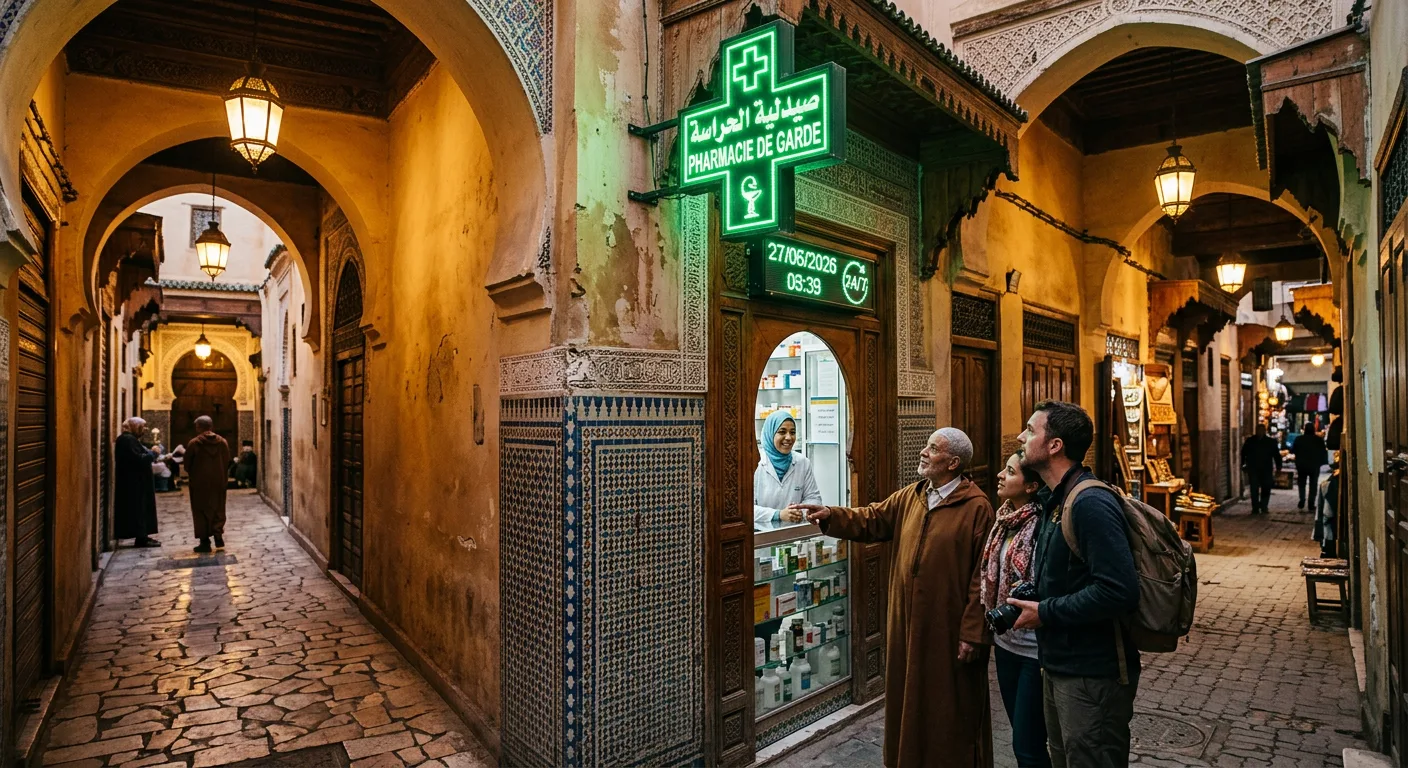
The short answer: Casablanca is broadly safe for tourists. It is Morocco's largest, most modern city, and the day-to-day risks are the ordinary big-city ones — opportunistic pickpocketing in crowds, pushy touts, and the odd overcharging taxi — not violent crime, which against visitors is rare. Use the same instincts you would in any major city, keep your valuables close, agree fares and prices up front, and you will almost certainly have an easy, uneventful trip. Below is the detail, honestly told and kept practical.
One sensible caveat
No one can guarantee safety anywhere, and conditions change. This is general guidance from a Casablanca-based team, not official advice — before you travel, check your own government's current travel advisory for Morocco, and trust your instincts on the day. For the wider national picture, our is Morocco safe in 2026 piece covers the country as a whole; this one zooms in on Casablanca.
How safe is Casablanca, really?
Casablanca is a working metropolis of several million people, and it behaves like one. There is traffic, noise, crowds and the usual urban friction — but the kind of trouble visitors run into is almost always petty and financial rather than physical. Pickpockets work crowded spots: the central market and souk lanes, the old medina, the tram at rush hour, packed cafés. Touts and unofficial guides will try to attach themselves to you near the big sights. What you very rarely encounter is violence directed at tourists. The mental model that serves you best: guard your wallet and phone, guard your patience, and you will be fine.
Which areas are safe — and which to be alert in
The areas you are likely to visit are the comfortable ones. The Art-Deco downtown (the historic centre around Mohammed V and the old town hall), Maarif and Gauthier (the smart shopping and café districts), and the Ain Diab Corniche are busy, well-used and easy, day and night. The Hassan II Mosque esplanade is open and heavily visited. Our neighbourhood guide to where to stay walks through each of these in more detail.
Where to raise your antennae a little: the old medina is fine and worth seeing by day but is quieter and dimly lit after dark, so it is not a place to wander alone late at night. As in any city, the further you drift from the busy, lit, used streets into empty back lanes — anywhere, at any hour — the more sensible it is to turn back or take a taxi instead.
The common hassles and how to shrug them off
Most "safety" questions about Casablanca are really about hassle, and the playbook is short:
- Unofficial guides. Someone offers to show you the way or "the real medina," then expects payment. A friendly, firm "la, shukran" (no, thank you) and continuing to walk ends it.
- The "it's closed, come this way" steer. A claim that a sight or street is shut, designed to funnel you toward a shop. Trust your own plan and check for yourself.
- The "broken meter" taxi. Ask for the compteur; if it is genuinely off, agree the fare before you set off rather than at the end.
- Pressed-on goods. Henna, a sprig of mint, a small trinket put into your hand, then a request for money. Don't accept it in the first place; hand it back and move on.
None of this is dangerous — it is the texture of a busy tourist city. The same calm boundary-setting that helps with touts also keeps you from overpaying; for the money side of that, see our cash-or-card guide.
Solo travellers and women travellers
Casablanca is manageable for solo travellers, and many women visit alone without incident. The honest friction for women is verbal harassment — catcalling, comments, persistent attempts at conversation — which is more tiring than threatening and eases a lot with a few habits: walk like you know where you are going, keep to busy and well-lit streets, and don't feel obliged to engage. Casablanca is genuinely cosmopolitan and liberal by Moroccan standards, so you do not need to cover up to fit in; that said, modest dress draws less attention, and you must cover shoulders and knees inside the Hassan II Mosque. After dark, favour lively districts like Maarif and Gauthier and take a taxi for anything beyond a short, well-lit walk. Travelling with a vetted local guide or driver removes most of this friction entirely — it is one reason solo visitors often book a guided walk of the city for their first orientation.
Getting around safely
Transport is safe; the only real question is the fare. The small red petits taxis are metered and cheap — ask for the meter, or agree a price first. Ride-hailing apps work in Casablanca and take the haggling out of it, which many visitors prefer at night or when they arrive tired. The modern tram is clean and easy; just keep your bag in front of you at rush hour. The shared grands taxis run fixed routes with several passengers — fine, if less relaxing. Our full guide to getting around Casablanca breaks down each option, and the single biggest physical risk in the city is worth repeating: the traffic. Cross carefully, with locals, and never assume cars will stop.
Health, water and the practical basics
Standard travel sense covers most of it. Many visitors stick to bottled water, eat where it is busy and freshly cooked, and carry the usual small first-aid and stomach-settling kit; pharmacies are plentiful and well stocked. Keep the bulk of your cash and a spare card in the hotel safe, carry only what you need for the day, and keep a digital copy of your passport. For anything non-urgent, your hotel or riad reception is the fastest help — they can translate and point you to a trusted doctor. For emergencies, the numbers below are worth saving before you fly.
Emergency numbers in Morocco
- 19 — Police (in cities such as Casablanca)
- 15 — Ambulance & fire (Protection Civile)
- 177 — Royal Gendarmerie (outside cities and on highways)
The honest bottom line
Casablanca is not a place that needs to be feared; it needs to be read like the big, confident city it is. Mind your pockets in crowds, set polite boundaries with touts, agree your taxi fare, stay where the lights and people are after dark, and watch the traffic more than anything else. Do that and the city is yours to enjoy — the mosque, the Art-Deco streets, the seafront and the food. If you want the safety question to simply disappear, the easiest answer is to have a local handle the logistics. See what we offer in Casablanca and across our private tours and transfers.
Frequently asked
Is Casablanca safe for tourists in 2026?
Broadly, yes. Casablanca is a large, modern working city, and the everyday risks for visitors are the ordinary big-city ones rather than anything exotic: opportunistic pickpocketing in crowds, persistent street touts, and the occasional overcharging taxi. Serious or violent crime against tourists is rare. The places visitors actually spend time — the Hassan II Mosque, the Art-Deco downtown, Maarif, Gauthier and the Ain Diab Corniche — are busy and well-used. Use the same instincts you would in any major city, keep your valuables close, and you will almost certainly have an uneventful, easy trip.
What are the most common scams or hassles?
The classics are low-stakes and easy to deflect. Unofficial 'guides' who attach themselves to you, then expect payment; the 'this street/the medina is closed, come this way' steer that ends at a relative's shop; taxi drivers who claim the meter is broken; and henna or trinket sellers who press something into your hand and then ask for money. None of these are dangerous — a calm, firm 'la, shukran' (no, thank you) and walking on handles almost all of them. The real financial risk is simply paying a tourist price; agree fares and rough prices before you commit.
Is Casablanca safe for solo female travellers?
Yes, with the usual caveats, and plenty of women travel here alone without incident. The main annoyance is verbal — catcalling, comments, persistent attempts at conversation — which is more wearing than threatening. It eases considerably if you stick to busy, well-lit streets, project that you know where you are going, and wear what you would in any city (Casablanca is cosmopolitan and liberal by Moroccan standards; you do not need to cover up, though modest dress draws less attention, and shoulders and knees should be covered inside the Hassan II Mosque). After dark, favour lively areas like Maarif and Gauthier and take a taxi rather than walking empty streets.
Is Casablanca safe at night?
The areas tourists use are fine at night when they are busy — the Corniche at Ain Diab, Maarif and Gauthier all stay lively, with restaurants and cafés open late. The thing to avoid is wandering empty, poorly lit side streets alone, and the old medina is quieter and less lit after dark than it feels by day. The simple rule: stay where there are people and lights, and take a taxi or a ride app for anything more than a short, well-lit walk. Keep your phone and wallet out of sight rather than in a hand or back pocket.
Are taxis in Casablanca safe, and how do I avoid being overcharged?
Taxis are safe; the issue is the fare, not your wellbeing. The small red 'petits taxis' are metered — ask for the 'compteur' when you get in, and if the driver says it is broken, either insist or agree a price first. Fares are genuinely cheap by European standards. Ride-hailing apps work in Casablanca and take the negotiation out of it, which many visitors prefer at night or arriving tired. The shared 'grands taxis' (usually older Mercedes) run fixed routes and seat several strangers — fine, but not the relaxed option. Keep small notes for the fare, as change can be scarce.
What's the biggest actual danger in Casablanca?
Honestly, the traffic. Driving is fast and assertive, lane discipline is loose, and pedestrian crossings are treated as suggestions, so the most likely way to come to harm is stepping off a kerb without looking. Cross with locals, make eye contact with drivers, and do not assume a green man means cars will stop. Beyond that, the only thing worth a thought is the petty-theft basics: a thin wallet, a zipped bag worn in front in crowds and on the tram at rush hour, and the bulk of your cash and a spare card left in the hotel safe.
What are the emergency numbers in Morocco?
Save these before you go. In a city like Casablanca, dial 19 for the police and 15 for an ambulance or fire (the Protection Civile). Outside the cities and on the highways, 177 reaches the Royal Gendarmerie. Larger tourist areas sometimes have a dedicated tourist police brigade, and your hotel or riad reception is a fast, practical first call for anything non-urgent — they can translate and point you to a reliable doctor or pharmacy. It is also sensible to note your country's embassy or consulate details and to check your government's current travel advice before you travel.
Travel with someone who knows the city
The simplest way to feel safe is to have a local handle it.
Tell us your dates and what you want to see and we'll put together a private day in Casablanca — a vetted driver and guide, fair pricing agreed in advance, and none of the taxi or tout friction to think about.
Plan my trip